
Imagine playing chess on a computer using only your thoughts. That exact science fiction scenario became reality during the recent Neuralink Telepathy Clinical Trial First Patient Update, shifting our perspective on human capability entirely.
Think about that.
We are watching a massive leap forward in clinical research. Look, here is the deal: brain-computer interfaces are no longer confined to academic papers.
- Core Finding: The first human trial patient successfully controls digital devices using thoughts alone.
- The Stakes: This milestone redefines therapeutic approaches for severe paralysis and neurological trauma.
- Next Horizon: Expanded clinical trials aim to restore mobility and visual function in upcoming phases.
What Happened in the Neuralink Telepathy Clinical Trial First Patient Update?

The tech world paused when Noland Arbaugh, the first recipient of the N1 implant, streamed himself playing video games hands-free. As detailed in official National Institutes of Health updates on neurotechnology, reading motor intent directly from the motor cortex represents a monumental breakthrough.
Honestly, watching a person manipulate a cursor purely through neural signals is wild. The device decodes intended movement and translates it instantly into digital action on a screen.
"The surgery was super easy, literally," Arbaugh noted during a livestream broadcast detailing his recovery and initial device calibration sessions.
How Does This Impact Modern Health and Neuro Science?
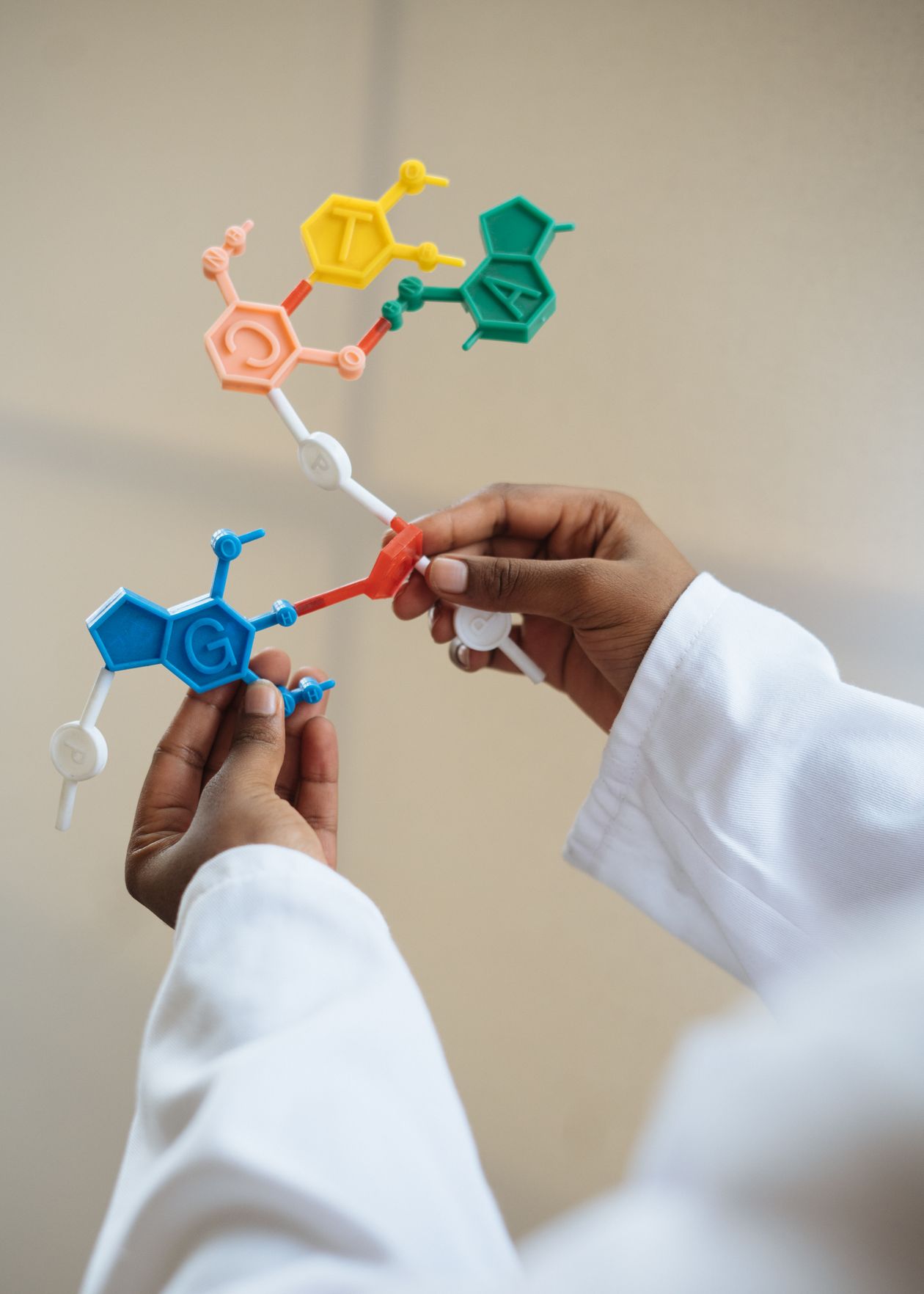
When we talk about revolutionary applications in health, we usually mean a new pharmaceutical or surgical intervention. But this trial proves that digital medicine is just as potent as any drug or vaccine currently on the market.
The implications for physical rehabilitation are staggering. According to published data from Nature journals studying cortical implants, decoding fidelity improves steadily over the first six months of post-operative machine learning calibration.
- Real-time spike sorting algorithms isolate individual neural firing patterns.
- Custom machine learning models reduce latency between intent and action.
- Patients report reduced fatigue compared to traditional assistive eye-tracking hardware.
What Are the Technical Specs Behind the Neuralink Telepathy Clinical Trial First Patient Update?

Let us look under the hood of this remarkable piece of neuro engineering. The N1 chip features 1,024 electrodes distributed across 64 extremely flexible threads.
Those threads are finer than a human hair and must be placed by a specialized surgical robot to avoid blood vessels. That level of precision required inventing entirely new surgical paradigms in modern medical robotics.
As the accompanying Stanford University neural engineering studies point out, channel count directly correlates with signal resolution. See also: Anthropic Claude 3.7 Sonnet Coding Benchmarks vs GPT 4o.
Still skeptical? Fair enough.
What Lies Ahead for the Next Phase of Human Trials?
The success of the Neuralink Telepathy Clinical Trial First Patient Update has greenlit further participant recruitment. Researchers are already screening candidates for subsequent surgical interventions. You might also like: OpenAI o3 Model Reasoning Tokens Cost Per Query Analyzed.
Will we see commercial availability anytime soon? Probably not this decade, but clinical safety trials are moving at a blistering pace.
For now, watching paralyzed individuals regain digital autonomy changes everything we thought we knew about human potential.
Frequently Asked Questions
Who was the first patient in the Neuralink trial?
Honestly, noland Arbaugh became the first human recipient of the N1 brain-computer interface implant in early 2024 following a diving accident.
How does the N1 implant actually work?
The device uses 1,024 ultra-fine electrodes to record electrical signals from the motor cortex, translating neural activity into cursor movements.
Is the Neuralink procedure safe?
The clinical trial operates under strict FDA oversight, using a robotic surgeon designed specifically to place threads without damaging surface blood vessels. Explore further: Claude discovers a novel enzyme system with CRISPR-like repeats.
We are living through a massive turning point where biology and computation officially merge. Keep your eyes on this space because the next update might just rewrite human history.
