Perseverance Rover Mars Sample Return Mission Updates 2026
The Perseverance Rover is making headlines as NASA provides updates on the Mars sample return mission . Honestly, this is wild - we're talking about a rover…
SciHive··5 min read
Table of Contents9 sections
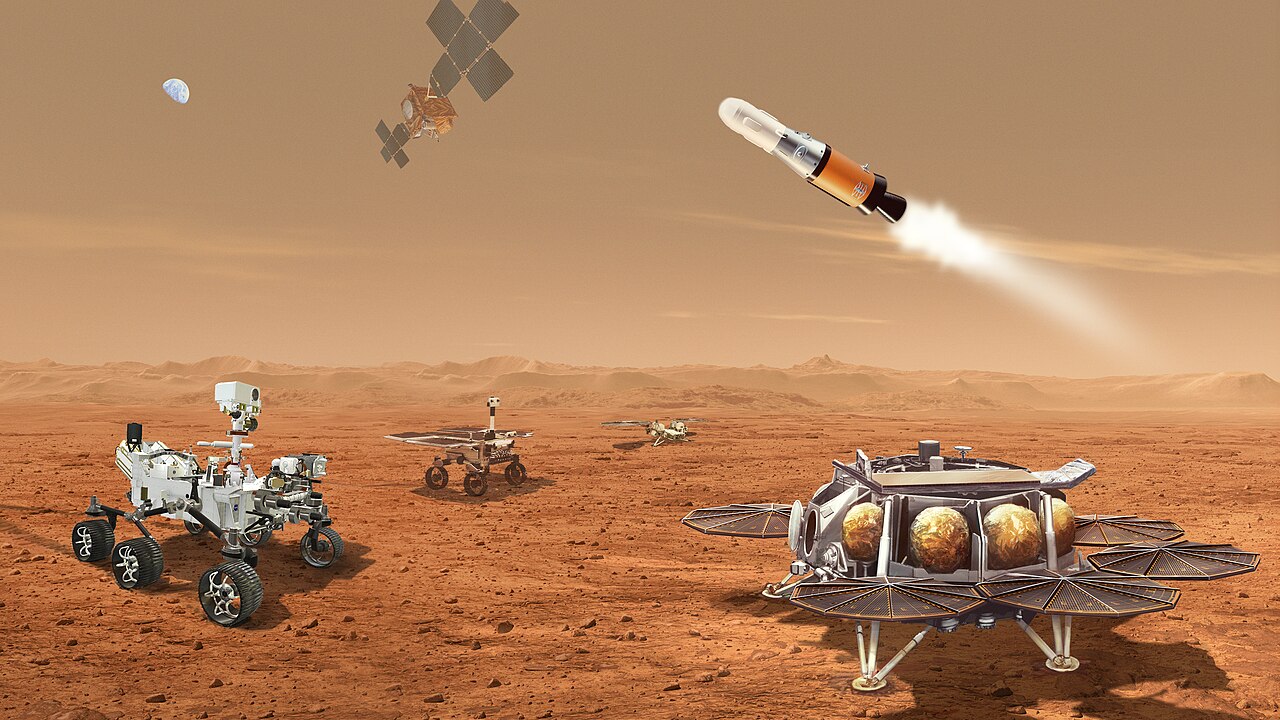
The Perseverance Rover is making headlines as NASA provides updates on the Mars sample return mission. Honestly, this is wild - we're talking about a rover that's been exploring Mars since 2021, and now it's on a mission to bring back samples from the Red Planet. But what does this actually mean? As of 2026, the Perseverance Rover has been collecting samples from Mars' Jezero crater, which is believed to have been home to a lake billions of years ago. The rover has been using its drill and sample collection system to gather rock and soil samples, which will be stored in tubes for potential return to Earth. Look, here's the deal - these samples could hold the key to understanding the history of life on Mars.
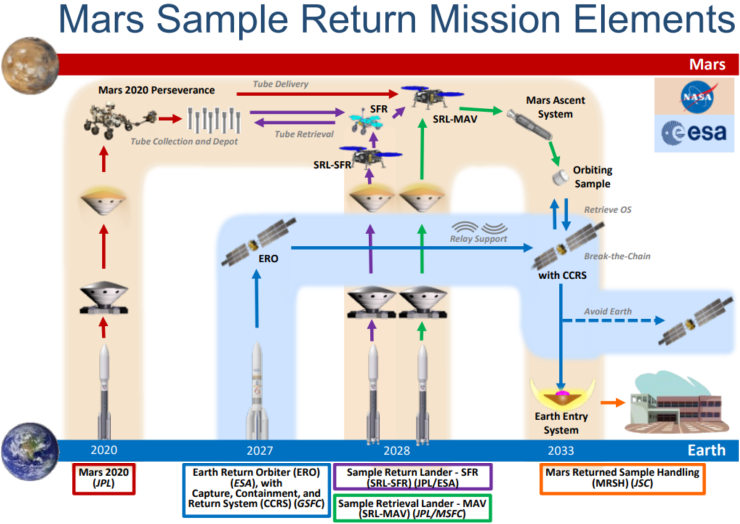
The Perseverance Rover is currently in the process of collecting and storing samples, with a total of 43 samples collected so far. According to NASA, the rover has been experiencing some issues with its sample collection system, but these have been resolved, and the mission is back on track. I know what you're thinking - what about the samples? When can we expect them to be returned to Earth? As reported by NASA, the samples will be returned to Earth in the late 2020s or early 2030s, depending on the success of the mission and the development of the necessary technology. The samples will be transported back to Earth using a sample return orbiter, which will be launched in the coming years.
The returned samples are expected to provide a wealth of information about the geology and potential biosignatures of Mars. Scientists will be able to study the samples using advanced techniques, such as mass spectrometry and electron microscopy, to gain insights into the planet's history and potential habitability. Some of the key questions that scientists hope to answer with the returned samples include:
* Did life exist on Mars in the past? * What was the environment like on Mars billions of years ago? * Can we find evidence of past or present life on Mars?
How Does the Perseverance Rover Mission Fit into the Bigger Picture of Space Exploration?
The Perseverance Rover mission is part of a larger effort to explore the solar system and search for life beyond Earth. NASA and other space agencies, such as SpaceX, are working towards establishing a human presence on the moon and Mars in the coming decades. The Perseverance Rover mission is an important step towards this goal, as it will provide valuable insights into the geology and potential habitability of Mars. As noted by SpaceX, the company is currently working on developing the necessary technology to support human missions to Mars, including the Starship spacecraft. The success of the Perseverance Rover mission will be crucial in informing the development of this technology and the planning of future human missions to Mars.
What Are the Challenges and Opportunities of the Perseverance Rover Mission?
The Perseverance Rover mission is not without its challenges. One of the main challenges is the distance between Mars and Earth, which makes communication and navigation difficult. Sure, but the harsh environment on Mars, with its extreme temperatures and lack of atmosphere, poses significant challenges for the rover and its instruments. Despite these challenges, the Perseverance Rover mission presents a number of opportunities for scientific discovery and exploration. Some of the key opportunities include:
* Gaining insights into the geology and potential biosignatures of Mars
* Developing new technologies and strategies for space exploration
* Inspiring future generations of scientists and engineers to pursue careers in space exploration
What's Next for the Perseverance Rover Mission?
The Perseverance Rover mission is expected to continue until 2028, with the rover continuing to collect and store samples. After that, the samples will be returned to Earth, and scientists will begin to study them in detail. As reported by Nature, the study of the returned samples will be a major focus of scientific research in the coming years, with potential breakthroughs in our understanding of the history of life on Mars.
FAQs
What is the Perseverance Rover's primary mission?
The Perseverance Rover's primary mission is to explore Mars and search for signs of past or present life on the planet.
When can we expect the samples to be returned to Earth?
The samples are expected to be returned to Earth in the late 2020s or early 2030s, depending on the success of the mission and the development of the necessary technology.
What can we learn from the returned samples?
The returned samples can provide insights into the geology and potential biosignatures of Mars, and can help scientists answer questions about the planet's history and potential habitability.

 You might also like: What Scientists Just Discovered About the Human Brain. You might also like: CRISPR Gene Editing Therapy Trials 2026: A New Era in Health.