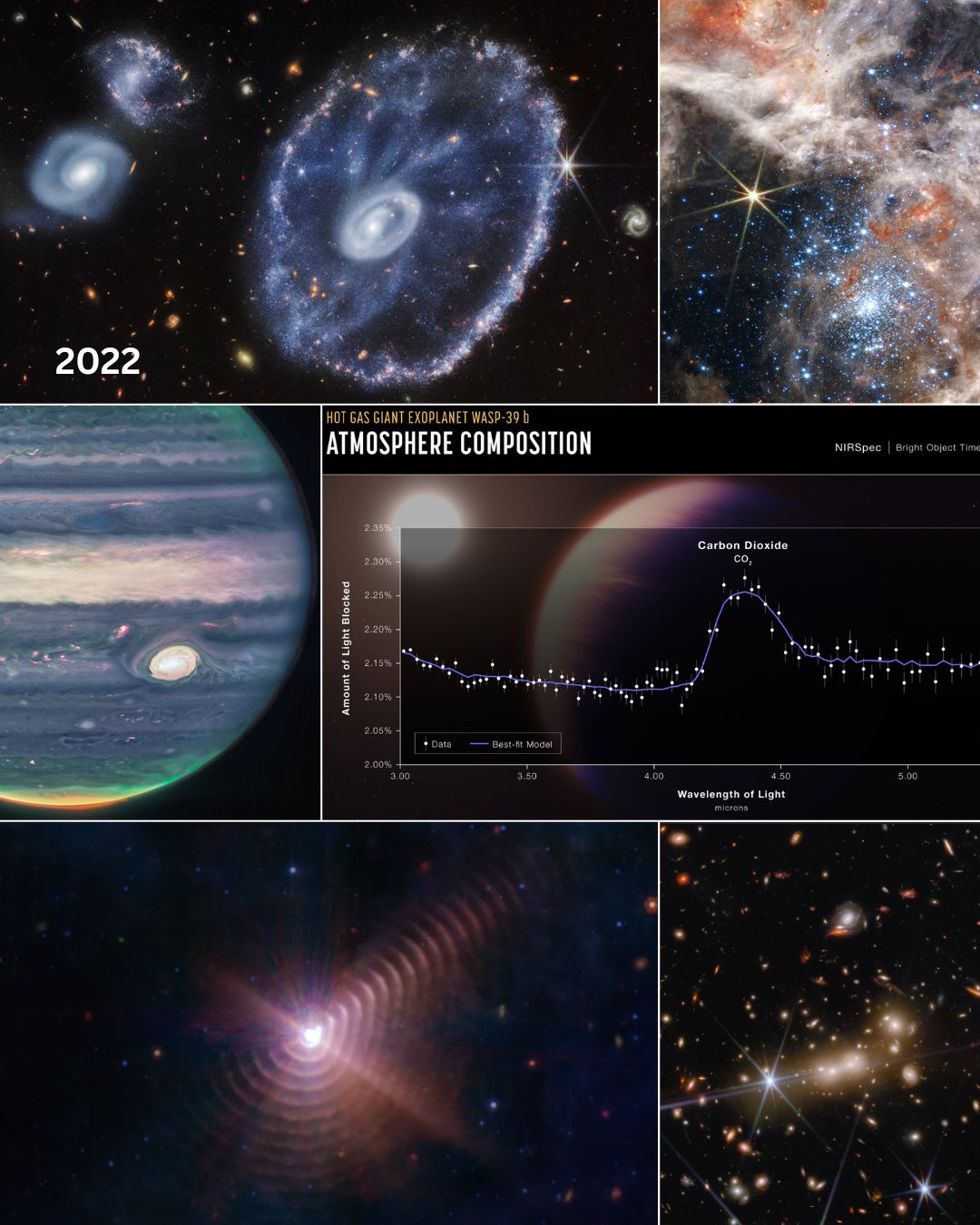
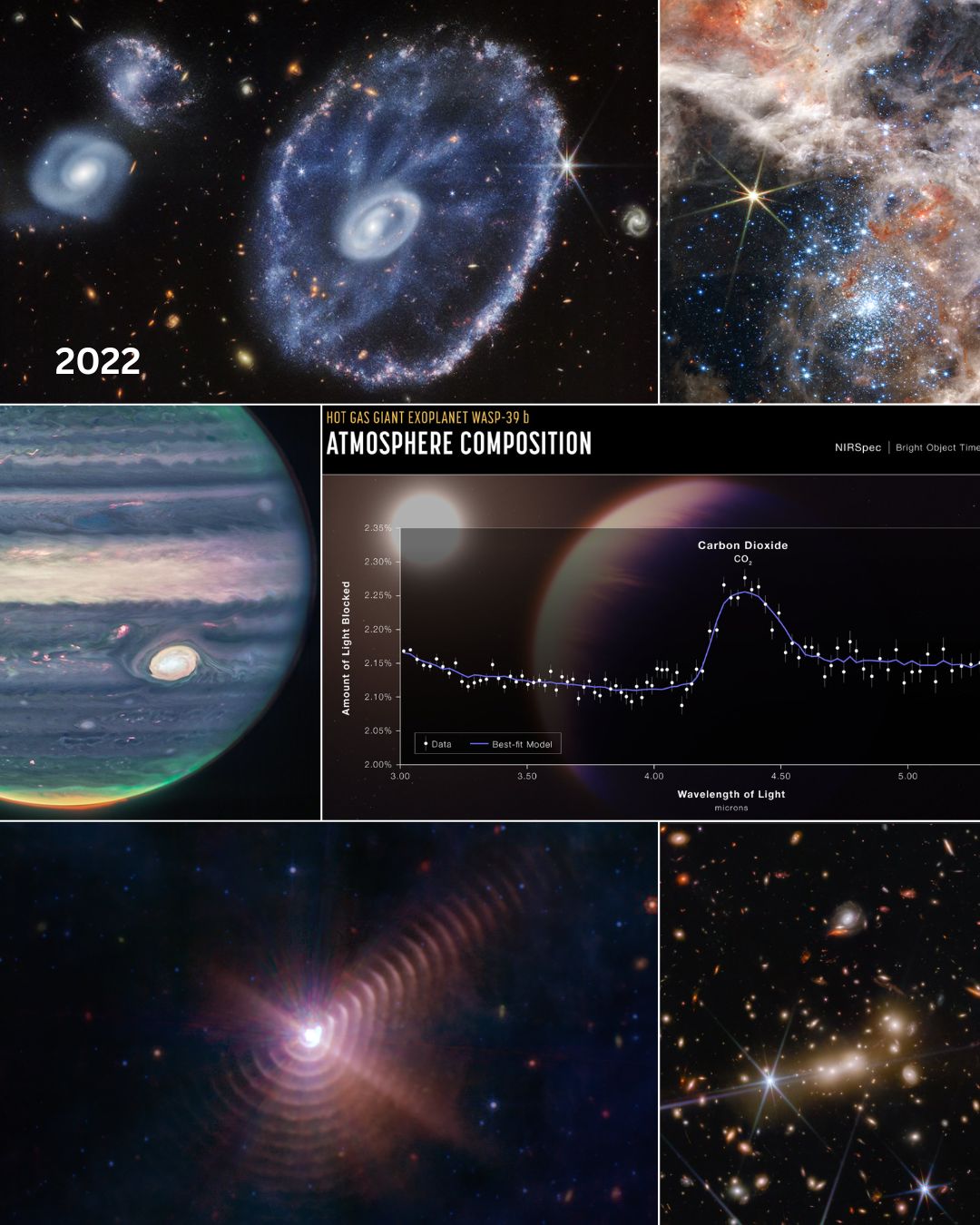
Aliens might not be waving back just yet, but our instruments are finally getting sharp enough to catch them whispering. A fresh pre-print paper analyzing James Webb Space Telescope atmospheric data for WASP-39b is currently setting astrobiology Twitter on fire.
Honestly, this is wild. We are looking at starlight filtered through an alien atmosphere located roughly 700 light-years away from our own tiny blue dot in the cosmos. Let us dive right into what this means for our search for life in the galaxy.
- Core Finding: The Webb telescope exoplanet WASP 39b methane data analysis reveals unexpected chemical signatures in a scorching hot Saturn-mass world.
- The Stakes: Researchers are refining transit spectroscopy techniques that could eventually point toward true Earth analogs orbiting distant stars.
- Next Horizon: Upcoming observations will test whether photochemistry models can accurately predict organic molecules on rocky worlds.
What Does the Webb Telescope Exoplanet WASP 39b Methane Data Analysis Actually Reveal?
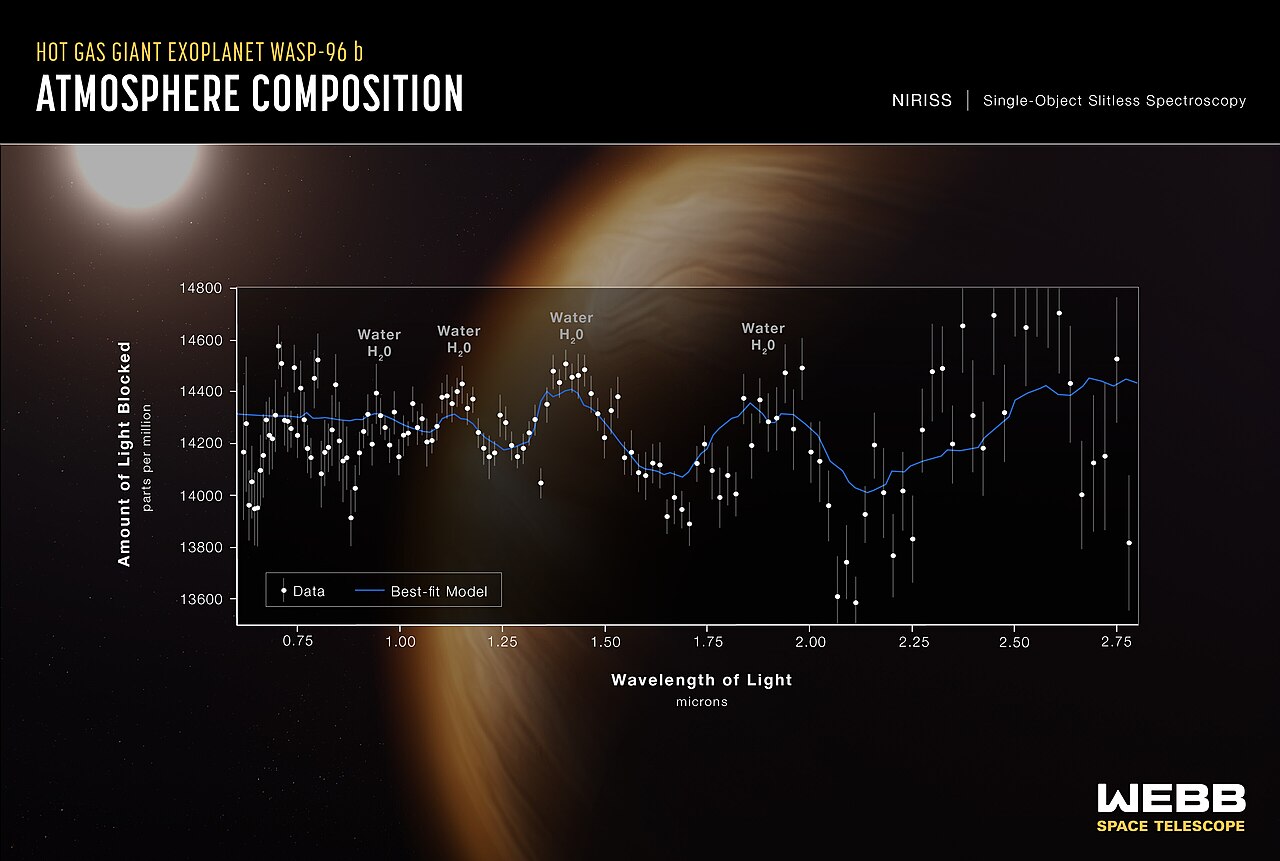
Back in July 2022, NASA unleashed the infrared power of the $10 billion observatory on the public. Researchers immediately turned the golden mirrors toward WASP-39b, a bloated gas giant hugging a sun-like star in the constellation Virgo. As the NASA James Webb Space Telescope mission team discovered, this scorching world presents an ideal laboratory for transmission spectroscopy.
The newest pre-print analysis uploaded to arXiv dissects the planet's atmospheric transmission spectra with jaw-dropping precision. As the graph in the paper clearly shows, distinct absorption bumps line up precisely where molecules like carbon dioxide, water vapor, and sulfur dioxide absorb infrared photons. But the real drama centers on the elusive presence—and strange absence—of methane.
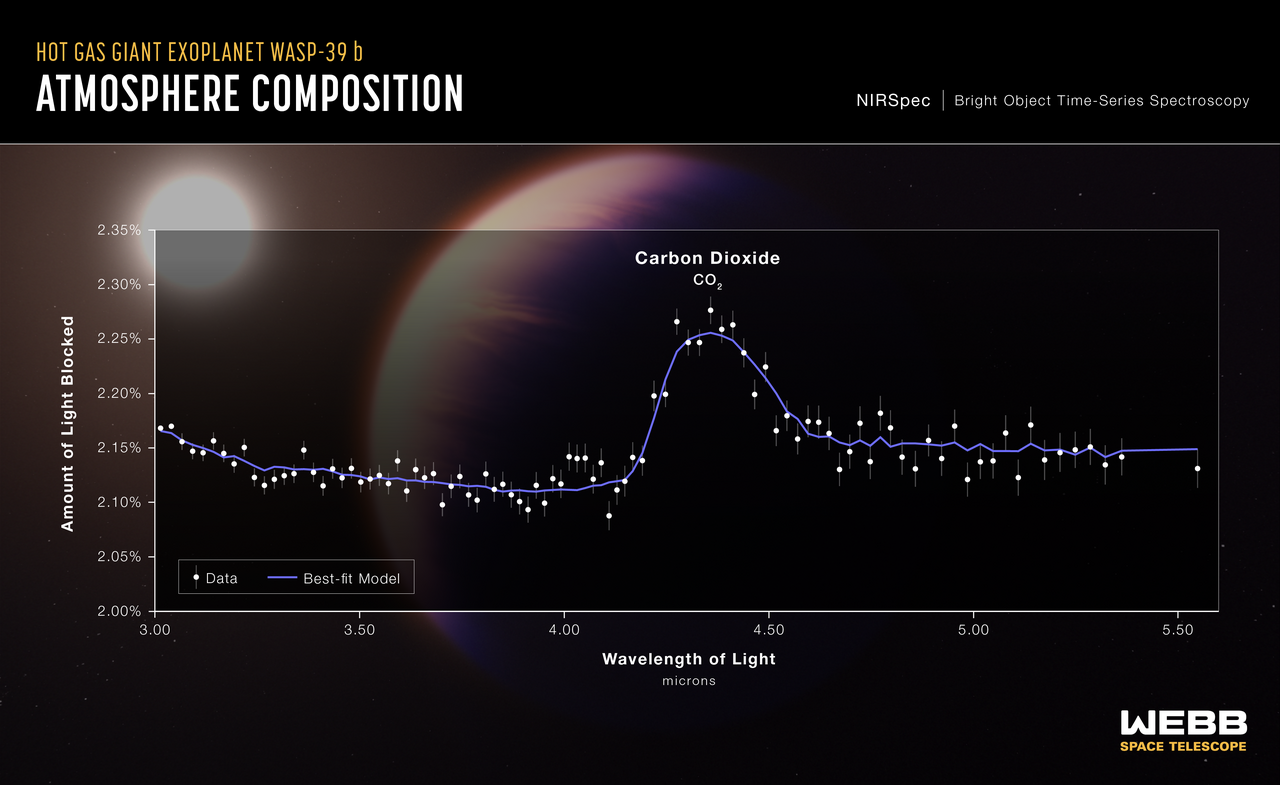
Image: NASA's James Webb Space Telescope / Wikimedia Commons (CC BY 2.0)
Wild, right?
Why Is Methane Baffling Astrophysicists Right Now?
Methane on a cold world like Titan or Mars makes total sense. On a blazing hot gas giant where daytime temperatures soar past 900 degrees Celsius, however, methane acts like an uninvited guest crashing a high-society dinner party. According to standard thermochemical equilibrium models, carbon should prefer hanging out as carbon monoxide at those brutal temperatures.
Yet, the updated data hints at complex photochemical reactions driven by stellar ultraviolet radiation breaking apart molecules high in the exoplanet's stratosphere. Think of it like sunlight cooking smog over a major metropolitan city, but on a planetary scale. This forces astronomers at institutions like the MIT Kavli Institute for Astrophysics and Space Research to completely rewrite their atmospheric chemistry computer simulations.
 Explore further: Why Shopify Acquires Tailwind: The Big 2026 Tech Deal.
Image: NASA, ESA, and G. Bacon (STScI) / Wikimedia Commons (Public domain)
How Does This Compare to Planetary Exploration Closer to Home?
We often get so caught up in distant star systems that we forget our own cosmic backyard offers vital clues. When we send rovers like Curiosity to scour the dusty surface of Mars for ancient microbial signatures, we hunt for the exact same carbon-based building blocks. Detecting methane on the NASA Mars exploration program feeds directly into how scientists interpret atmospheric biosignatures across the galaxy.
Similarly, understanding how radiation interacts with planetary gases helps researchers model what happens when a volatile world drifts too close to its parent star. Look, here is the deal: every time we decode the atmospheric soup of a distant world, we sharpen the tools needed to analyze smaller, rocky worlds. We are slowly building a cosmic catalog of chemical fingerprints.
"We are no longer just guessing what alien skies look like; we are reading their chemical recipes in real time."

Pretty nuts.
So where does this leave us?
What Are the Next Steps for Exoplanet Atmospheric Science?
The pacing of these discoveries is frankly dizzying, and the astronomical community is scrambling to keep up. Observational time on the orbital observatory is fiercely contested, but target lists for Cycle 3 are already locked in. Here is what researchers are prioritizing next:
- Targeting smaller, sub-Neptune worlds that sit right on the boundary between rocky planets and gas giants.
- Refining instrumental calibration to eliminate residual noise from the telescope's massive primary mirrors.
- Applying machine learning algorithms to process massive transit datasets in a fraction of the usual time.
- Collaborating with planetary scientists studying our own solar system's gas giants and icy moon bodies.
Could This Research Lead Us to Habitable Worlds Beyond Our Solar System?
Nobody is claiming we have found E.T. on a bloated Saturn-mass world where you would vaporize instantly. But proving we can detect trace gases on a distant world proves the methodology works. Once private aerospace ventures like SpaceX eventually help us push human presence deeper into the solar system, automated observatories will likely have already mapped hundreds of habitable candidates.
The Webb telescope exoplanet WASP 39b methane data analysis is just a warm-up act for what is coming this decade. As our spectroscopic models improve, we move closer to answering the ultimate question: are we truly alone in this vast, glittering expanse? You might also like: Claude 3.7 Sonnet Coding Benchmarks Vs GPT 4o.
Frequently Asked Questions
What is WASP-39b and where is it located?
WASP-39b is a hot Saturn-mass gas giant exoplanet located roughly 700 light-years away from Earth in the constellation Virgo.
Why is the Webb telescope exoplanet WASP 39b methane data analysis important?
It provides unprecedented spectroscopic details about complex atmospheric chemistry, including photochemical reactions occurring under intense stellar radiation. You might also like: Neuralink Telepathy Clinical Trial Patient Status Update.
How does the James Webb Space Telescope detect exoplanet atmospheres?
It uses transmission spectroscopy, capturing starlight filtered through a planet's atmosphere as it transits directly in front of its host star.
Is there actual alien life on WASP-39b?
No, WASP-39b is far too hot to support life as we know it, acting instead as a laboratory for testing atmospheric detection techniques.