
Imagine waking up tomorrow with the ability to see the world entirely through digital signals processed inside your brain. Elon Musk's neurotechnology firm is currently chasing that exact sci-fi reality with its latest ocular prosthesis project. The official Neuralink Blindsight FDA breakthrough device status update reveals a fast-moving regulatory pipeline that has caught the attention of the global health community. But what does this mean for patients living with complete vision loss right now?
- Core Finding: The FDA granted breakthrough device designation to Neuralink's visual prosthesis project.
- The Stakes: This experimental hardware aims to restore functional sight even for those with damaged optic nerves.
- Next Horizon: Clinical trials and engineering refinement remain the critical hurdles ahead.
What is the Neuralink Blindsight FDA breakthrough device status update telling us?

Photo by cottonbro studio on Pexels
Look, here is the deal with regulatory shorthand inside the medical sector. When the United States Food and Drug Administration awards a breakthrough designation, it essentially fast-tracks the review process for life-changing innovations. According to recent public filings tracked by researchers at US Food and Drug Administration guidelines, this special status is reserved for devices that offer more effective treatment for debilitating conditions.
The system bypasses typical bureaucratic delays to help patients gain faster access. Honestly, this is wild for a startup that only recently began human trials for its motor-control implants. The engineering team is moving at breakneck speed to transition from concept to clinical reality.
But what does this actually mean?
How does the Blindsight visual prosthesis actually work?
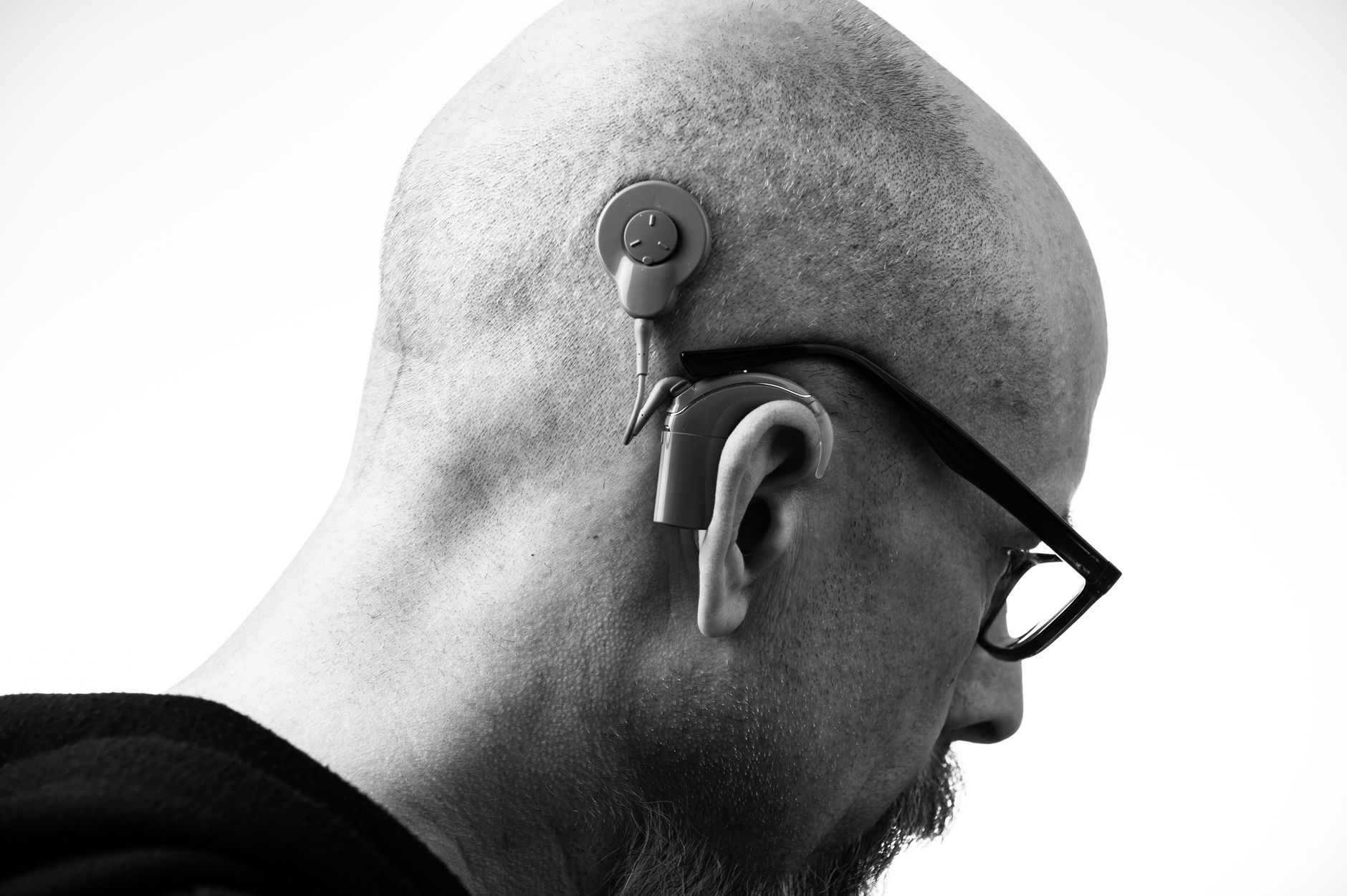
Photo by Brett Sayles on Pexels
I know what you are thinking. How can a computer chip bypass a destroyed eye and talk directly to the mind? The secret lies in stimulating the visual cortex, the region at the back of the head responsible for processing what we see.
Instead of relying on functioning eyes or retinas, the implant uses a high-density array of micro-electrodes. These tiny threads inject electrical currents directly into neurons. As the National Institutes of Health neuroscience division points out, direct cortical stimulation has a long history in research laboratories.
"Blindsight will enable even those who have lost both eyes and their optic nerve to see." - Elon Musk
What are the technical specifications and resolution limits?

Photo by RDNE Stock project on Pexels
Let us look at the raw engineering data behind the prototype. Early iterations will offer remarkably low-resolution vision, resembling 1990s video game graphics. Over time, engineers expect the software to scale up pixel density. See also: Revolutionary Room-Temperature Superconductors Unveiled.
Here is what the early visual output is projected to look like for recipients:
- Initial resolution starting at Atari-style blocky shapes and light contrasts.
- Gradual software upgrades to allow object recognition and basic navigation.
- Potential integration with infrared or ultraviolet camera inputs for superhuman sight capabilities.
This tiered rollout mirrors how software updates improve smartphone cameras years after purchase. The hardware goes in once, but the underlying drug-free algorithms evolve continually.
When will human clinical trials officially begin?
Regulatory approval is one hurdle, but actual patient implantation is an entirely different beast. Patient recruitment for advanced neurosurgical trials requires rigorous safety protocols. Independent review boards at major academic centers are currently evaluating surgical candidate criteria. See also: Small Models Have Arrived: The End of Massive AI?.
The timeline remains fluid, but preliminary volunteer screening could begin sooner than skeptics expect. Every update from the corporate leadership team signals aggressive hiring in clinical operations. We are watching a high-stakes race between ethical caution and technological ambition.
Sound familiar?
Why is the neurotechnology industry watching this filing so closely?
This isn't just about one company selling a futuristic gadget. The entire bio-electronic ecosystem stands to gain or lose depending on how this trial proceeds. If successful, venture capital will flood into alternative therapies for blindness, deafness, and paralysis.
Traditional vaccine developers and pharmaceutical giants are even taking notes on how fast hardware can move through regulatory channels. The boundaries between software engineering and human physiology are blurring permanently.
Frequently Asked Questions
What does FDA breakthrough device designation mean for Neuralink?
It grants the company priority review status and closer collaboration with federal regulators during the testing phases, speeding up eventual commercialization. Explore further: Brain Breakthrough: Scientists Discover Hidden Patterns.
Can Blindsight cure all types of blindness?
No, it is primarily designed for individuals who have lost both eyes or their optic nerves, provided their visual cortex remains intact and healthy.
How is the implant surgically inserted into the head?
Okay, so a specialized surgical robot removes a small section of the skull and precisely stitches ultra-thin threads directly into brain tissue.
Will the vision restored by Blindsight be in full color?
Honestly, initial versions will likely render in monochrome or low-resolution grayscale, though color perception could be introduced in future software iterations.
The road ahead for restored vision is fraught with immense engineering challenges and strict ethical oversight. As the Neuralink Blindsight FDA breakthrough device status update demonstrates, science fiction is sliding into reality right before our eyes. Whether this technology fulfills its grand promises will ultimately be decided in the operating room and the clinical data sheets.
